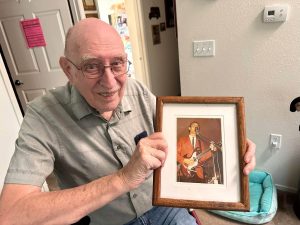
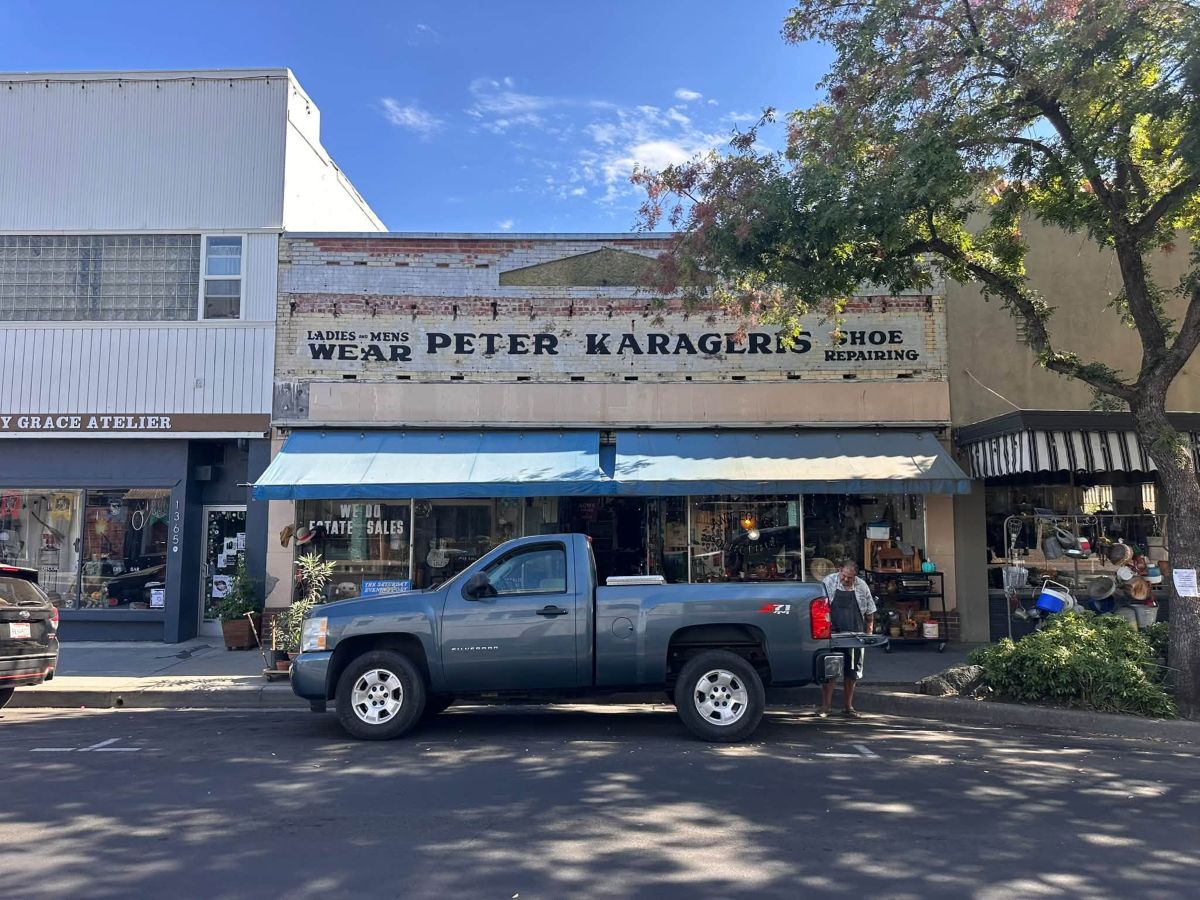
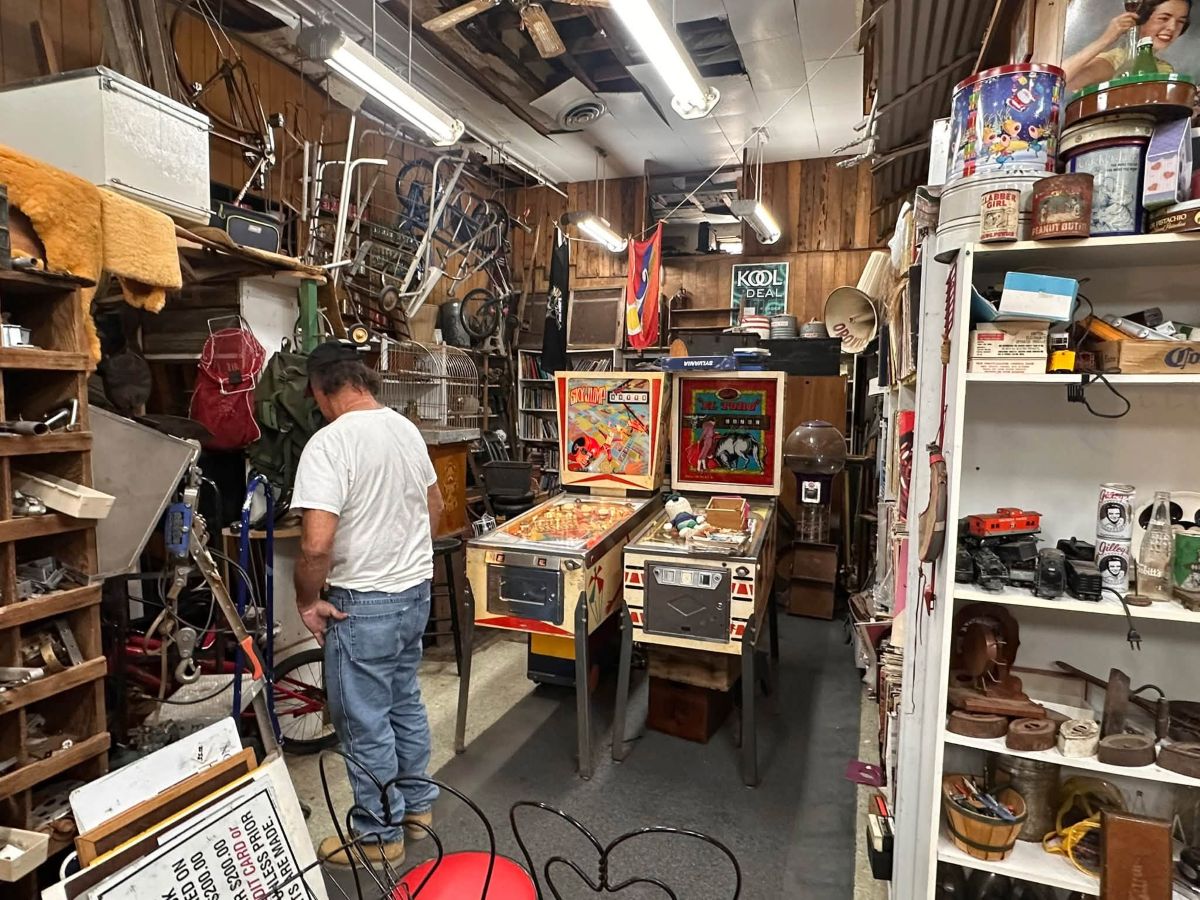
Today was a super fun day poking around and puttering around Oroville and Marysville, California, in between Chico and Sacramento. I’ve never spent any time in this neck of the woods. So it was fun to go around and look at the old historic buildings, hotels, and theaters. There were great old neon signs and antique stores and bookstores. But wait, there’s more!
I remembered reading about this a long time ago: Oroville was where Ishi, the last Yahi Native American Indian, was captured in 1911, after they caught him stealing meat from a local slaughterhouse.
Ishi’s story became a national sensation. Somehow he had survived in the wild through the white man’s takeover of the area, long after it was believed that all of the Yahi tribe had died or been killed off. None of the other local Native American speakers could communicate with Ishi at all. He had feet “as wide as they were long” and was in feral condition when he was discovered. Ishi was billed in the newspapers as a “wild man” and a “savage.” Of course, the white man “saved” him and he became a cultural phenomenon, only to die of a white man’s disease, tuberculosis, a few years later, in 1916. His body was cremated and buried in San Francisco’s Colma cemetery, and his brain was sent to the Smithsonian. In 2000, his brain and his ashes were reunited and he was buried in an unmarked location somewhere around Oroville.
I checked out the monument on the site of the slaughterhouse where Ishi was captured in 1911. In downtown Oroville, there’s also a mural on the building on the site of the jailhouse location where Ishi was held for a time before being transferred to San Francisco.
There are obviously some really cringey parts of the Ishi story, but it was fascinating to see where it all happened, 115 years ago.
The 1930s stone bathhouse building down by the river was also really neat.
Driving down to Marysville, I was fascinated to read the story of the legendary stagecoach robber, Black Bart. Black Bart was an Englishman, with proper style, manners, and speech. He came to America, lived in the Midwest, moved to California during the gold rush of the 1850s, then moved back to Illinois, and even served in the Union Army during the Civil War. At some point, he was insulted by Wells Fargo agents and decided to exact revenge.
Moving back to California, the former Charles Bolton became Black Bart, the gentleman bandit, and pulled off a string of twenty-eight robberies over seven years in Northern California and southern Oregon. He left rhymes and poems at his crime scene, such as this one at a robbery outside Oroville:
“I’ve labored long and hard for bread,
For honor, and for riches,
But on my corns too long you’ve tread,
You fine-haired sons of bitches.”
Eventually Black Bart was caught and served time in prison. When he was released, he moved to Visalia, north of Bakersfield. He was constantly followed by Wells Fargo agents, convinced he would strike again. Eventually Black Bart disappeared. He supposedly came back to the Marysville area, where he lived out his final days as a pharmacist.
No one knows for sure, but one of the legends says Black Bart is buried in the Marysville cemetery, so of course I had to go check it out.
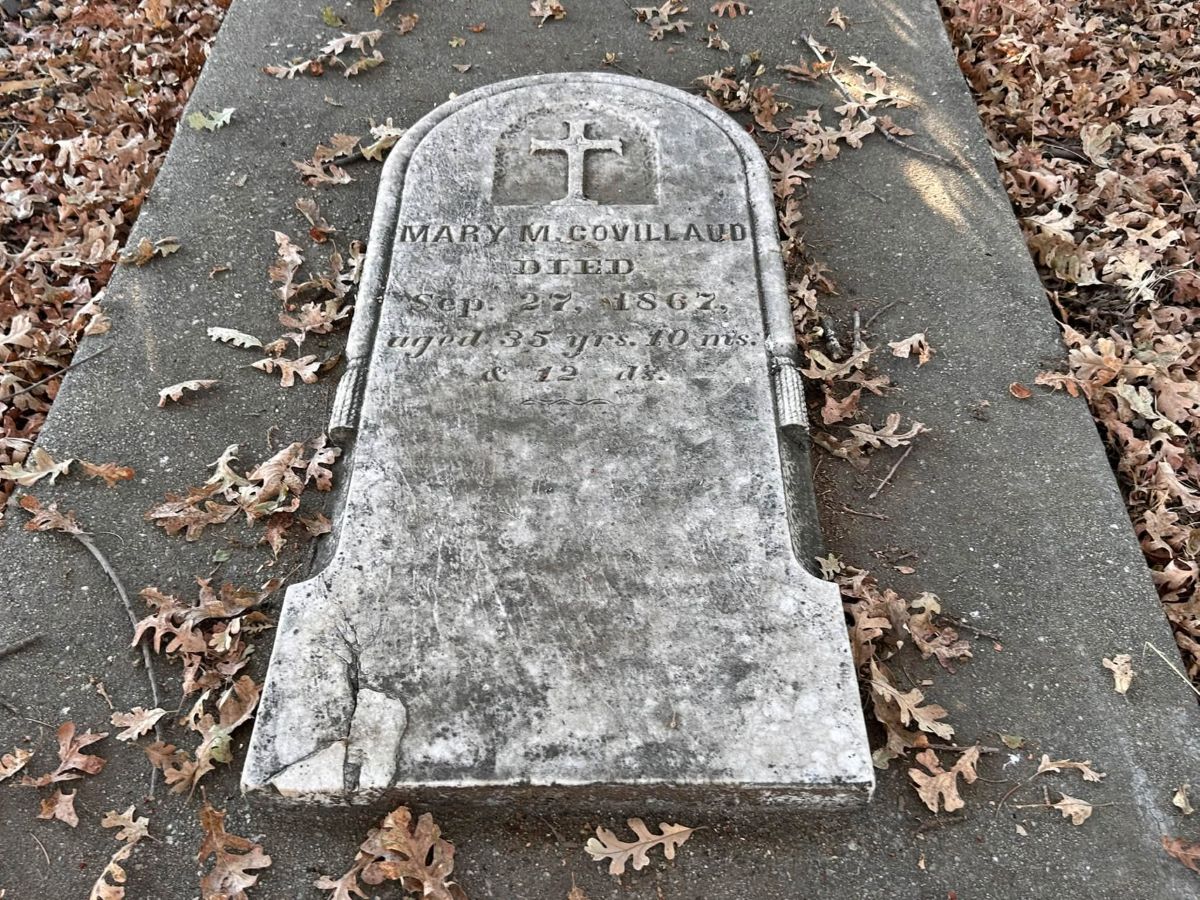
There I discovered that Mary Murphy Covillaud, a survivor of the ill-fated Donner Party (in case you’re unfamiliar, a group of travelers became stranded on the Donner Pass coming over from Reno, got stuck in blizzard conditions, and had to resort to cannibalism).
Marysville was named after Mary Covillaud, but I couldn’t find her grave in the cemetery. Where was she? A bit of investigating revealed a private, closed, Victorian-era cemetery nearby, surrounded by a fence and a locked gate. But—there’s always a hole in the fence, if you look hard enough. And there was Mary Covillaud’s grave, the survivor of the Donner Party and the namesake of Marysville.
That’s what I call a great day.
See many more photos and videos at Deke’s original Facebook post!